
Bulk Supply of Gond, Kapoor, Hing and other whole spices – now at competitive rates!

Author name: admin

Uncategorized

Camphor: The Pungent Powerhouse That’s More Than Just a Vapour 🌬️

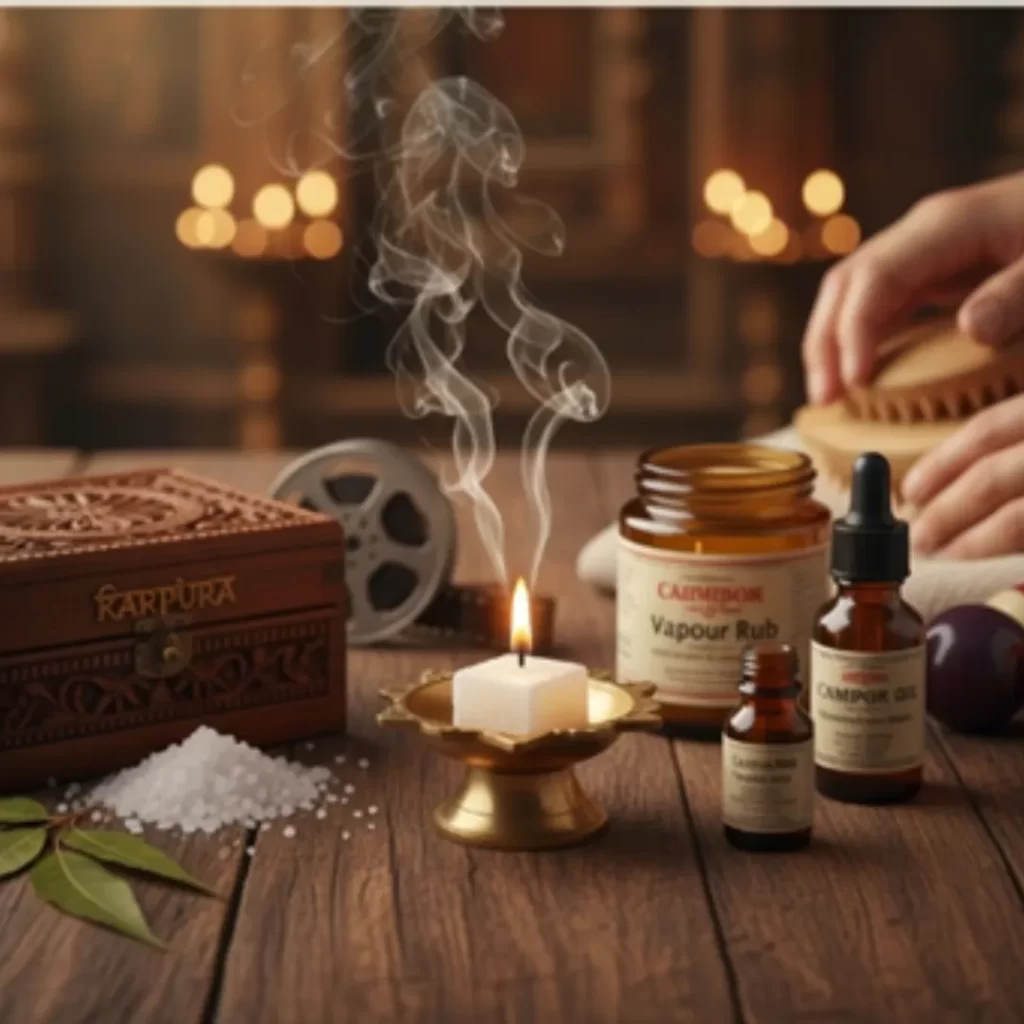
That sharp, unmistakable, penetrating aroma—you know it immediately. It’s the scent of an ancient remedy, a ritual offering, and a potent ingredient that has woven itself into the fabric of cultures across the globe. We’re talking about Camphor. Often relegated to the back of the medicine cabinet or seen only during religious ceremonies, camphor is an extraordinary compound with a surprising history and a vast array of modern applications. If you thought it was just for chest rubs, get ready to decode the pungent powerhouse that is camphor! From Tree to Treasure: What Exactly is Camphor? Camphor is a waxy, white, crystalline substance with a strong, aromatic odour. Historically, it was derived by steam distillation of the wood of the Camphor Laurel tree (Cinnamomum camphora), native to East Asia. Today, while the natural form is still harvested, much of the camphor used commercially is produced synthetically from turpentine oil. Both forms share the same chemical structure and many of the same properties, though traditionalists often prefer the natural extract. Did you know? Camphor is a terpenoid, a naturally occurring organic chemical found in plants. Its chemical name is (1R,4R)-bornan-2-one—a fancy title for a simple, yet powerful, molecule. A Cultural and Historical Journey Camphor’s use spans centuries and continents, establishing it as a valuable commodity early on. 1. The Eastern Ritual: Karpura In India and Southeast Asia, camphor is deeply significant. Known in Sanskrit as Karpura, it’s an integral part of Hindu religious ceremonies (pujas). When lit, it burns without leaving any residue, symbolizing the total sacrifice of the ego to the divine. The fragrance is also believed to purify the surroundings and ward off negative energy. 2. The Arab and European Trade During the Middle Ages, Arab traders introduced camphor to the West, where it was highly valued as a preservative, a spice, and an ingredient in perfumes. Its strong scent made it a popular moth repellent long before modern chemicals existed. 3. The Pioneer in Plastics In a surprising industrial twist, camphor was an essential component in the creation of celluloid, one of the very first plastics invented in the 19th century. It acted as a plasticizer, making the material pliable and mouldable, paving the way for everything from film reels to billiard balls! The Health and Wellness Benefits (The ‘Vapour’ Power) The characteristic rubefacient (skin-warming) and counter-irritant properties of camphor are what make it a star in topical applications. A Word of Caution: Use with Respect 🙏 While powerful, camphor must be used correctly. Camphor is a beautiful example of how a simple tree product can carry so much history, cultural significance, and practical utility. Next time you encounter its piercing scent, take a moment to appreciate the journey of this little crystal—from the sacred flame of a puja to the soothing rub on a tired muscle. It truly is a silent, pungent force in our world.
Uncategorized

The Sticky Truth: Why Gum Arabic is More Than Just a Natural Thickener

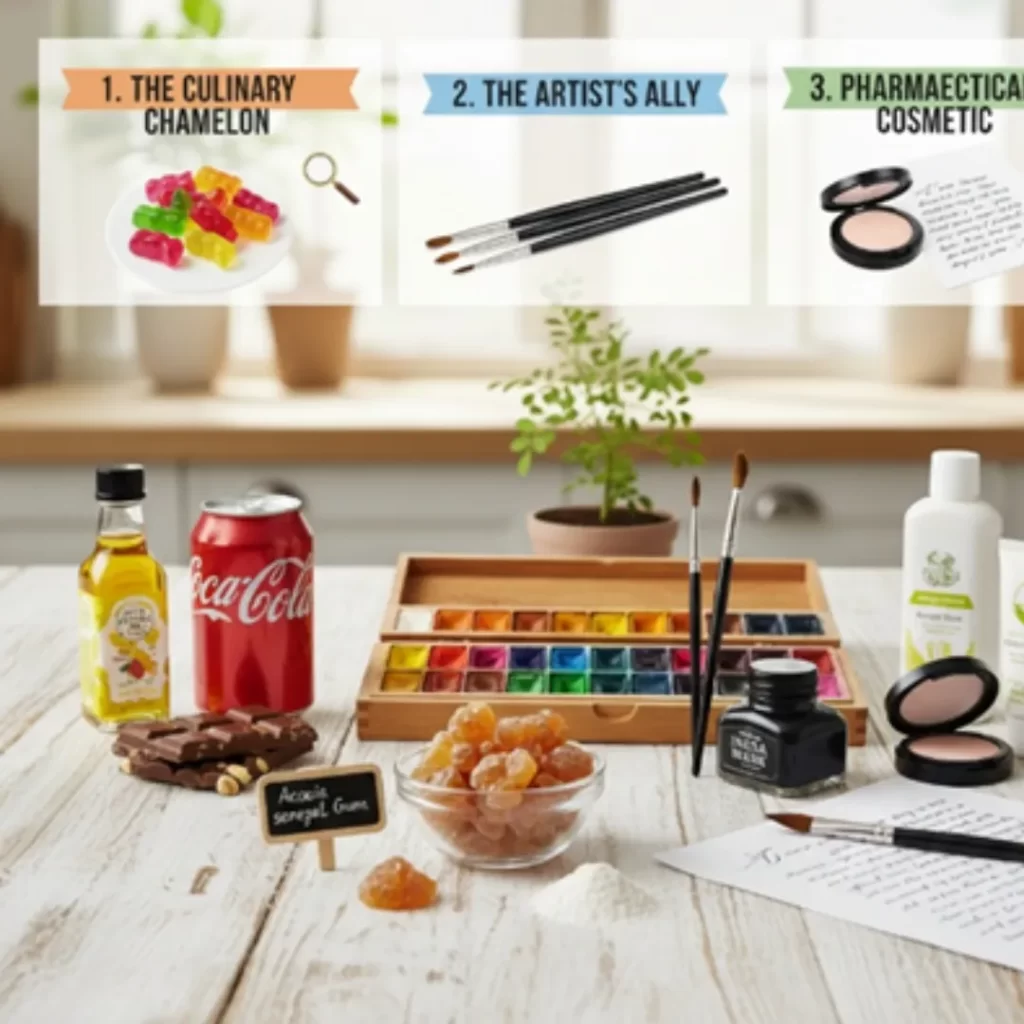
When you hear “gum,” your mind might jump to chewing gum, or perhaps the sticky residue left by a label. But what if I told you there’s a fascinating, ancient gum that’s been silently shaping our world for millennia, from delectable treats to vibrant art and even life-saving medicines? Enter Gum Arabic, also known as acacia gum. It’s not just another obscure ingredient; it’s a natural wonder, a powerhouse polysaccharide exuded from the stems and branches of various Acacia trees, primarily Acacia senegal and Acacia seyal, found in the arid regions of Africa and the Middle East. A Journey Through Time: The Ancient Origins Imagine desert nomads centuries ago, collecting glistening tears from acacia trees. These weren’t just any tears; they were precious droplets of gum arabic. Its history is as rich and intricate as its molecular structure. The Modern Marvel: Where You’ll Find It Today Fast forward to the 21st century, and gum arabic is still a superstar, albeit a discreet one. You might be surprised at just how many products owe a debt to this humble tree exudate. 1. The Culinary Chameleon Gum arabic is a food additive darling (E414). It’s a natural emulsifier, stabilizer, and thickening agent, making it indispensable in: 2. The Artist’s Ally Artists, especially those working with watercolors, know the magic of gum arabic. It acts as a binder, holding pigment particles together and allowing them to adhere to paper. It also increases the luminosity and transparency of watercolors, giving them that characteristic vibrant glow. Inks, pastels, and even some traditional paints also utilize its binding prowess. 3. The Pharmaceutical & Cosmetic Connection Beyond the kitchen and art studio, gum arabic plays a crucial role in health and beauty: Why All the Buzz? The Unique Properties of Gum Arabic What makes this natural gum so special? The Future of Gum Arabic As consumers increasingly seek natural, plant-based ingredients, gum arabic is poised for even greater prominence. Research continues to uncover new applications, from advanced drug delivery systems to sustainable packaging materials. So, the next time you enjoy a perfectly chewy candy, admire a vibrant watercolor painting, or even take a sip of your favorite soda, remember the unassuming, yet incredibly powerful, gum arabic. It’s a testament to the ingenuity of nature, quietly holding our world together, one sticky bond at a time.

Uncategorized

🌿 Asafoetida (Hing) Decodified: The Aromatic Spice with Powerful Flavor and Health Secrets

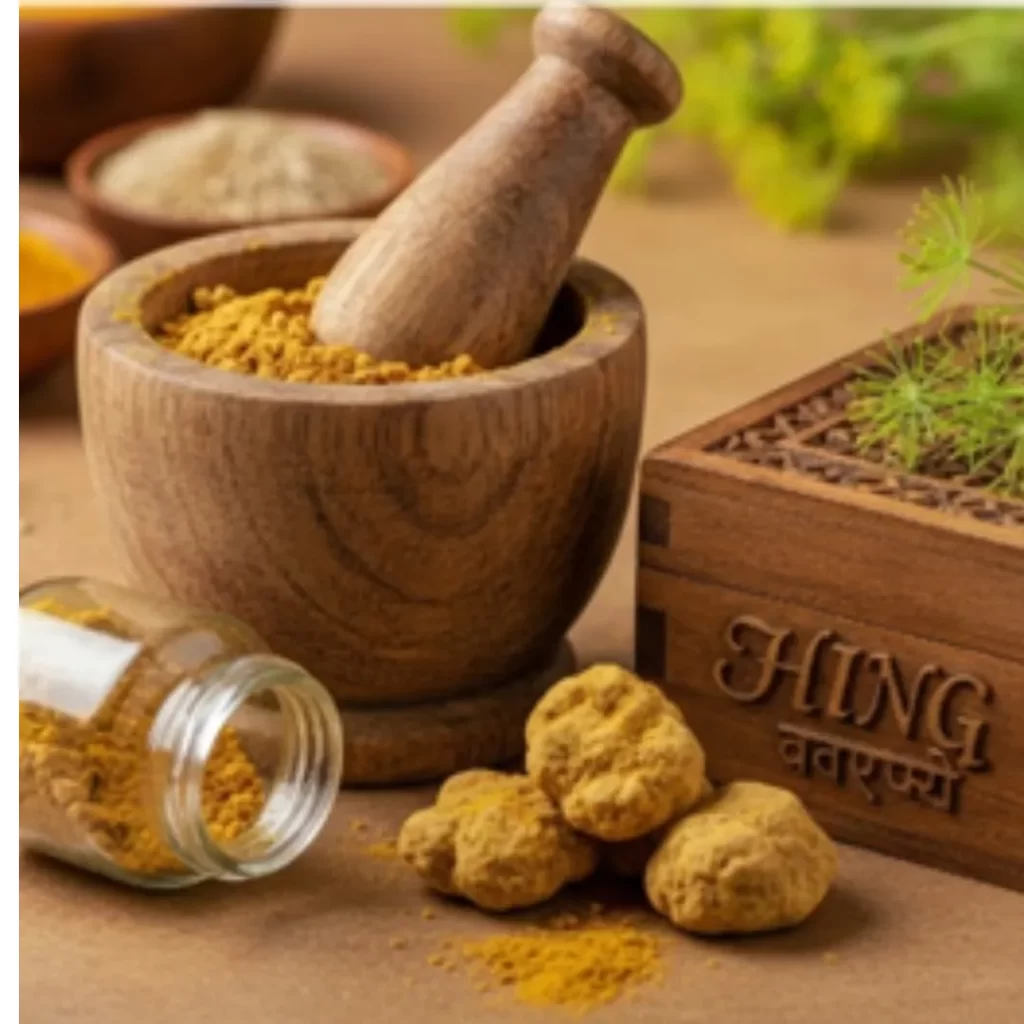
🧭 What Exactly Is Asafoetida (Hing)? When you hear Hing, you think of that unmistakable aroma that lifts every Indian dish. But behind the scent lies a complex trade of resins, grades, and blending secrets. Hing, or Ferula asafoetida, is a dried latex extracted from the roots of Ferula plants found in Afghanistan, Iran, and Central Asia. Before reaching your kitchen, this potent resin undergoes grading, blending, and compounding — the art that defines its aroma and strength. 💡 Did you know? Pure raw hing can be over 50x stronger than the household compounded version. ⚙️ 1. Two Main Forms of Hing Image Suggestion:📸 Split photo showing sticky raw hing resin vs powdered compounded hing Form Description Common Use Raw Hing (Irani / Afghan) Pure resin lumps or granules directly from Ferula roots. Used by manufacturers, blenders, and exporters. Compounded Hing Blended with gum arabic, wheat/rice flour for usability. Sold in retail packs and spice blends. 🌿 2. Main Categories of Raw Hing Image Suggestion:📸 Flat lay of different hing textures — sticky, hard, crystalline, powdery Type Texture / Form Color Aroma Strength Typical Use Jwaal Hing Sticky, semi-solid resin Amber to reddish brown 🔥 Very Strong Premium base resin Nukra Hing Hard crystalline lumps Pale yellow, glossy Strong Common compounding grade Pinaksheer Hing Transparent crystals Pale golden Medium Balancing blends Hadda Hing Very hard, opaque Light yellow Medium Budget-grade compounding Dana Hing Small hard granules Light to dark amber Pure, stable Puja or lab testing Majari Hing Semi-solid to firm lumps Golden brown Strong Gives body and depth Kancha Hing Unrefined raw Dusty amber Strong Bulk economy blending 🧠 3. Blending Logic — The Art of Aroma Manufacturers blend resins to balance strength, smoothness, and cost. Product Type Base Resin Added Grades Result Premium Compounded Hing Jwaal Majari + Pinaksheer Strong, smooth aroma Standard Compounded Hing Nukra Dana + Majari Balanced & affordable Economy Hing Hadda Kancha Mild & cost-effective Image Suggestion:📸 Flowchart graphic showing Jwaal → Majari → Compounded Hing 🌍 4. Sourcing & Origins Image Suggestion:🗺️ Map showing Afghanistan, Iran, India trade routes for hing Most resins are imported from: In India, manufacturers like Prakash Group import, test, and blend these resins into custom compounded hing for B2B buyers and households alike. 💼 5. Why Understanding Hing Grades Matters For traders, importers, and newcomers: 🌿 Knowledge of resin types can easily increase your profit margins by 10–15%. 🌟 Final Thoughts Hing isn’t just a spice — it’s an ancient art of resin and aroma.From the fiery Jwaal to the smooth Pinaksheer, each grade tells a story of its land and craft. For anyone entering the hing business, this understanding is your greatest asset — ensuring every batch you sell carries both purity and profit. 🏷️ About Prakash Group For over 30 years, Prakash Group has been at the forefront of importing, blending, and trading premium Hing varieties. Our experience ensures consistent aroma, purity, and competitive pricing for every customer — from wholesalers to retail packers.

Contact Us

Phone Number

+91 9450332455, +91 8090069612

E-mail

Info@theprakashgroup.in

Sales Office:

53/31, Radha Krishna Market, Nayaganj, Uttar Pradesh, Kanpur – 208001

Factory Work :

59A, Industrial Estate, Kalpi Road, Uttar Pradesh, Kanpur – 208012

Map

© theprakashgroup | Copyright 2025. All Rights Reserved. Designed & Developed by Webguard 

Scroll to Top